

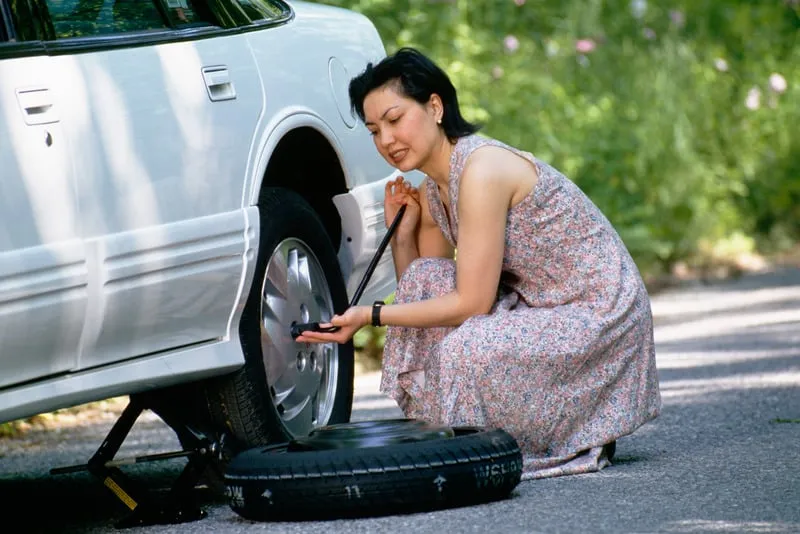
Flat Tire? Your Complete Tire Change Guide for Toronto Drivers
🚨 Flat Tire Emergency? Call (647) 812-1477 – 24/7 Tire Change Service in Toronto & GTA
Few roadside emergencies are as common—or as frustrating—as a flat tire. Whether you hit a pothole on Toronto’s winter-damaged roads, picked up a nail in a construction zone, or experienced a slow leak that finally gave out, a flat tire can happen anywhere, anytime. According to roadside assistance data, tire problems are among the top three reasons drivers call for help, especially during Toronto’s harsh winter and spring months when potholes proliferate across the city . This comprehensive guide walks you through everything Toronto drivers need to know about flat tires, including immediate safety steps, how to change a tire properly, when to call professionals, costs, and prevention strategies to keep you rolling safely.
What to Do Immediately When You Get a Flat Tire
The first moments after realizing you have a flat tire are crucial for your safety. Taking the right immediate actions protects you from traffic hazards and sets you up for a successful tire change .
Step 1: Stay Calm and Reduce Speed Gradually
When you notice signs of a flat tire—pulling to one side, thumping sounds, or difficulty steering—don’t slam on the brakes or make sudden movements. Gradually reduce your speed while maintaining control of your vehicle. Sudden braking can cause you to lose control, especially if a front tire has failed .
Step 2: Find a Safe Location
Look for the safest possible spot to pull over:
- Ideal locations: Parking lots, wide shoulders, side streets with minimal traffic
- Flat, level ground: Essential for safely jacking up your vehicle
- Away from traffic: Get as far from moving vehicles as possible
- Well-lit areas at night: Streetlights or business parking lots
- Avoid: Curves, hills, narrow shoulders, busy intersections
If you’re on a highway like the 401, 404, or DVP in Toronto and cannot safely exit, it’s better to drive slowly on a flat tire to reach a safe location than to stop on a dangerous shoulder. A damaged rim is replaceable; your safety isn’t .
Step 3: Make Your Vehicle Visible
Once stopped, immediately activate your hazard lights to alert other drivers. If you have emergency reflective triangles or road flares, place them 50-100 feet behind your vehicle to provide advance warning to approaching traffic .
Step 4: Assess Your Situation
Before attempting a tire change, honestly evaluate:
- Is it safe? Can you change the tire without risk from traffic, weather, or location?
- Do you have the right equipment? Spare tire, jack, lug wrench all present and functional?
- Are you physically able? Tire changing requires physical strength and mobility
- Is the spare tire inflated? A flat spare doesn’t help
- What time is it? Darkness adds significant danger
If any answers raise concerns, calling professional flat tire service in Toronto is the smart, safe choice.
How to Change a Flat Tire: Step-by-Step Guide
If you’re in a safe location with proper equipment and feel confident proceeding, follow these steps to change your tire correctly .
What You’ll Need
- Spare tire (properly inflated)
- Car jack (scissor jack or hydraulic jack)
- Lug wrench (tire iron)
- Vehicle owner’s manual
- Wheel wedges or blocks
- Flashlight (if working in low light)
- Gloves (optional but recommended)
- Rain gear (if weather is poor)
Step 1: Secure Your Vehicle
Before starting any work:
- Ensure the vehicle is in “Park” (automatic) or first gear (manual)
- Engage the parking brake firmly
- Place wheel wedges or large rocks in front of and behind the tires diagonally opposite the flat tire (if changing a rear tire, wedge the front tires; if changing a front tire, wedge the rear tires)
- Turn off the engine
These precautions prevent the vehicle from rolling while jacked up, which could cause serious injury or death .
Step 2: Remove the Wheel Cover and Loosen Lug Nuts
If your vehicle has a hubcap or wheel cover concealing the lug nuts, remove it first using the flat end of your lug wrench . Set it aside in a safe location.
Using the lug wrench, loosen each lug nut by turning counterclockwise. You only need to break their resistance—turn each about ¼ to ½ turn, but don’t remove them completely yet . Loosen lug nuts in a star pattern (opposite lug nuts alternately) to maintain even pressure.
Important: Loosen lug nuts while the tire is still on the ground. Once the vehicle is jacked up, the wheel will spin freely, making it nearly impossible to loosen tight lug nuts .
Step 3: Position the Jack Correctly
This is the most critical safety step. Improper jack placement can damage your vehicle or cause it to fall off the jack .
Locate the designated jack points on your vehicle. These are reinforced areas of the frame designed to support the vehicle’s weight. Check your owner’s manual for exact locations—they’re typically:
- Behind the front wheels
- In front of the rear wheels
- Marked by notches or grooves in the frame
- Made of reinforced metal (never place jack on plastic trim or body panels)
Position the jack directly under the jack point and ensure it’s perpendicular to the ground on level, stable surface .
Step 4: Raise the Vehicle
Using the jack handle or crank, begin raising the jack. Most modern vehicles use scissor jacks that expand by turning a screw mechanism . Raise the vehicle slowly and steadily until the flat tire is approximately 6 inches off the ground—just high enough to remove the flat and install the inflated spare .
Safety reminder: Never place any part of your body under a vehicle supported only by a jack. Jacks can slip or fail .
Step 5: Remove the Lug Nuts and Flat Tire
Now that the tire is off the ground, completely remove the loosened lug nuts by hand and place them in a secure location where they won’t roll away . A hubcap makes an excellent temporary container.
Grasp the flat tire firmly with both hands and pull it straight toward you until it’s completely free from the hub . The tire can be heavy (20-30 pounds for passenger vehicles), so be prepared for the weight. Lay the flat tire on its side under the vehicle near the jack—if the jack fails, the tire may catch the vehicle and prevent injury .
Step 6: Install the Spare Tire
Lift the spare tire and align the rim holes with the lug bolts (wheel studs) on the hub. Push the spare onto the hub until the rim sits flush against the hub assembly .
Replace the lug nuts and hand-tighten them as much as possible in a star pattern (opposite lugs alternately). Don’t use the wrench yet—just hand-tight for now .
Step 7: Lower the Vehicle and Tighten Lug Nuts
Using the jack, lower the vehicle slowly until the spare tire just touches the ground but isn’t yet bearing the full vehicle weight . At this point, use the lug wrench to tighten the lug nuts as much as possible, again using the star pattern to ensure even pressure distribution .
Lower the vehicle completely to the ground and remove the jack. Now give the lug nuts a final tightening with the wrench, applying as much force as possible. Stand on the wrench if necessary to ensure they’re extremely tight—loose lug nuts can cause the wheel to detach while driving .
Step 8: Check Tire Pressure and Stow Equipment
Check the spare tire’s pressure if you have a gauge. Most spare tires require 60 PSI (higher than regular tires) . If the pressure is low, drive carefully to the nearest gas station or tire shop to inflate it properly.
Replace the hubcap if it fits the spare tire (many don’t). Stow the flat tire, jack, and lug wrench back in your vehicle. Don’t forget to remove the wheel wedges .
When to Call Professional Tire Service Instead
While changing a tire yourself saves money, many situations make professional assistance the safer, smarter choice.
Call Professional Tire Service If:
- Unsafe location: Busy highway, narrow shoulder, blind curve, or hill
- Bad weather: Heavy rain, snow, ice, or extreme cold
- Darkness: Low visibility increases danger significantly
- Physical limitations: Injury, disability, or lack of strength to complete the job
- No spare tire: Many modern vehicles come with repair kits instead of spares
- Damaged spare: Flat, dry-rotted, or obviously damaged spare tire
- Missing equipment: No jack or lug wrench
- Stuck lug nuts: Over-torqued lug nuts that won’t budge
- Wheel lock key missing: Can’t remove locking lug nuts without the special key
- Multiple flat tires: More than one tire is flat (indicates serious problem)
- Damaged wheel studs: Broken or stripped lug bolts
Professional roadside assistance in Toronto provides trained technicians with commercial-grade equipment who can safely change your tire in any conditions. They arrive quickly, typically within 15-30 minutes across the GTA.
Understanding Different Types of Spare Tires
Full-Size Spare
A full-size spare is identical to your regular tires. You can drive normally and at regular speeds with a full-size spare, though you should still have the flat tire repaired or replaced soon .
Compact Temporary Spare (Donut)
Most vehicles today come with compact temporary spares—smaller, lighter “donut” tires. These have significant limitations :
- Maximum speed: 50 mph (80 km/h)
- Maximum distance: 50-70 miles (80-110 km)
- Higher pressure: Typically requires 60 PSI
- Handling differences: Vehicle will handle differently with a donut installed
- Temporary only: Get the flat tire repaired or replaced immediately
Never install more than one donut spare on a vehicle at the same time.
Run-Flat Tires
Some vehicles, especially luxury and sports cars, come equipped with run-flat tires. These allow you to drive 50 miles (80 km) at reduced speed (50 mph/80 km/h) even after losing air pressure . However, run-flat tires still need immediate professional service—continued driving damages the tire beyond repair.
Tire Repair Kits
Many new vehicles no longer include spare tires, instead providing tire sealant and air compressor kits. These work for small punctures but are ineffective for blowouts, sidewall damage, or large holes. If your vehicle has a repair kit instead of a spare, know its limitations and keep professional tire service contacts readily available.
How Much Does Professional Tire Service Cost in Toronto?
Tire Change Service Costs
- Standard tire change: $80-$150
- After-hours emergency service: $100-$175
- Highway or difficult location: $125-$200
- Wheel lock removal (without key): Additional $50-$100
At Towing Toronto, we provide transparent, upfront pricing with no hidden fees. You’ll know the exact cost before we dispatch a technician.
Tire Repair Costs
If your tire has a repairable puncture:
- Plug repair: $20-$35 (quick but less reliable)
- Patch repair: $25-$45 (proper internal repair)
- Plug and patch combination: $30-$50 (most thorough repair)
Tire Replacement Costs
If your tire can’t be repaired:
- Budget tires: $80-$150 each
- Mid-range tires: $120-$200 each
- Premium tires: $200-$400+ each
- Installation/balancing: $15-$35 per tire
- Disposal fee: $3-$5 per tire
Can Your Flat Tire Be Repaired?
Not all flat tires require replacement. Understanding when repair is possible saves money .
Tires That CAN Be Repaired:
- Punctures in the tread area only
- Holes smaller than ¼ inch (6mm) in diameter
- Single puncture location
- Tire with adequate remaining tread depth (4/32″ or more)
- No previous repairs in the same area
Tires That CANNOT Be Repaired:
- Sidewall damage or punctures
- Shoulder damage (transition area between tread and sidewall)
- Holes larger than ¼ inch
- Multiple punctures close together
- Severe tread wear (less than 2/32″ remaining)
- Run-flat tires driven while flat
- Tires with internal damage from driving while flat
- Dry rot, cracks, or bulges
- Tires older than 6 years (regardless of tread)
A qualified tire technician will inspect your flat tire and provide an honest assessment of whether repair is safe and advisable.
How to Prevent Flat Tires in Toronto
Regular Tire Maintenance
Check tire pressure monthly: Underinflated tires are more susceptible to punctures and blowouts. Check pressure when tires are cold (before driving). Toronto’s temperature fluctuations cause pressure changes—tires lose approximately 1 PSI for every 10°F temperature drop.
Inspect tires visually: Look for embedded objects (nails, screws, glass), uneven wear patterns, cracks, bulges, or other damage. Address problems early before they become emergencies.
Rotate tires regularly: Follow your vehicle manufacturer’s rotation schedule (typically every 5,000-8,000 miles) to ensure even wear and maximum lifespan.
Maintain proper wheel alignment: Misalignment causes uneven tire wear and makes tires more prone to damage. Have alignment checked annually or after hitting significant potholes.
Drive Carefully on Toronto Roads
- Avoid potholes: Toronto’s freeze-thaw cycles create notorious potholes. Watch the road ahead and safely navigate around them when possible
- Slow down in construction zones: Nails, screws, and sharp debris are common near construction sites
- Watch for road hazards: Glass, metal, and other sharp objects on roadways
- Don’t hit curbs: Curb strikes damage sidewalls and can cause slow leaks or sudden failures
- Reduce speed over railroad tracks and speed bumps: High-speed impacts damage tires and wheels
Replace Tires When Needed
- Replace tires when tread depth reaches 4/32″ (legal minimum is 2/32″, but safety requires more)
- Use the penny test: Insert a penny into tread grooves with Lincoln’s head upside down. If you can see the top of Lincoln’s head, replace the tire
- Replace tires older than 6 years regardless of tread (rubber degrades over time)
- Replace all four tires at once when possible for balanced handling
- Buy quality tires appropriate for Canadian weather conditions
Seasonal Tire Considerations
Winter tires: Toronto winters demand proper winter tires (not all-seasons) for maximum safety. Winter tires provide better traction and are less prone to cold-weather failures.
Spring pothole season: March through May is peak pothole season in Toronto. Be extra vigilant during this period and inspect tires more frequently for damage.
Essential Flat Tire Safety Tips
- Never change a tire on a busy highway if avoidable: Drive slowly to the next exit if necessary
- Stay inside your vehicle on busy roads: More roadside deaths occur from passing traffic than from vehicle problems
- Set up warning devices: Reflective triangles, flares, or hazard lights alert approaching drivers
- Exit from the passenger side: Keep the vehicle between you and traffic whenever possible
- Wear reflective clothing: Especially at night or in poor visibility conditions
- Call for help if uncertain: Professional assistance is always the safer choice when in doubt
- Never jack a vehicle on soft ground: The jack can sink and the vehicle can fall
- Check your spare tire regularly: A flat spare doesn’t help in an emergency
- Know your vehicle’s jack points: Review your owner’s manual before emergencies happen
Frequently Asked Questions About Flat Tires in Toronto
How long does it take to change a flat tire?
An experienced person can change a tire in 15-20 minutes under ideal conditions . For beginners or in difficult conditions, expect 30-45 minutes. Professional tire service technicians typically complete the job in 10-15 minutes once they arrive. Total response time for professional service in Toronto is usually 30-60 minutes from your call to completion.
Can I drive on a flat tire to get somewhere safe?
You can drive a short distance (under 1 mile) at low speed (under 20 mph) on a flat tire to reach a safer location . However, this damages the tire beyond repair and may damage the wheel rim. Only do this when absolutely necessary for safety—if you’re in a dangerous location with no alternative.
How do I know if my spare tire is good?
Check your spare tire’s air pressure (should be 60 PSI for most donut spares), inspect for cracks or dry rot, check the manufacturing date (tires older than 6 years should be replaced), and ensure the tread isn’t excessively worn. Check your spare tire every six months to ensure it’s ready when needed .
What causes most flat tires?
The most common causes are punctures from nails, screws, or sharp road debris, damage from potholes or curbs, valve stem failures, and slow leaks from bead seal problems or minor punctures . In Toronto, potholes are an especially common culprit during spring months.
Should I repair or replace a flat tire?
This depends on the location and size of damage. Tread punctures smaller than ¼ inch can typically be repaired safely. Sidewall damage, large holes, multiple punctures, or tires with low tread depth require replacement . A qualified tire technician should make the final determination.
How much does professional flat tire service cost in Toronto?
Professional tire change service in Toronto costs $80-$150 during regular hours, with after-hours and emergency service ranging from $100-$175. This includes arrival, tire change with your spare, and safety inspection. Tire repair costs $20-$50 if the tire is repairable, while tire replacement costs $80-$400+ depending on tire quality and size.
Do I need to buy four new tires if one is damaged?
Not necessarily. If your other three tires have substantial tread remaining (6/32″ or more) and match the damaged tire, you may only need to replace one. However, for all-wheel drive vehicles, tire matching is critical—consult your owner’s manual. Ideally, replace tires in pairs (both front or both rear) or all four for best performance and safety.
Can I use fix-a-flat or tire sealant?
Tire sealants are temporary emergency solutions that work for small punctures. They allow you to drive to a service station but must be professionally repaired or replaced soon after. Never rely on sealants as permanent repairs. Some sealants can damage tire pressure monitoring systems (TPMS) and make proper repairs more difficult or impossible .
Get Fast, Professional Flat Tire Service in Toronto
Don’t let a flat tire ruin your day or put you in danger. Whether you’re stranded on the 401, stuck in a parking lot in downtown Toronto, or dealing with a flat tire in your driveway, professional assistance is just a phone call away.
Towing Toronto provides 24/7 emergency flat tire service throughout Toronto and the Greater Toronto Area, including North York, Scarborough, Etobicoke, Mississauga, Brampton, Markham, Vaughan, and beyond.
Why choose Towing Toronto for flat tire service?
- Available 24/7, including holidays and weekends
- Fast response times averaging 15-30 minutes
- Professional technicians with commercial-grade equipment
- Service in any weather conditions
- Works with all vehicle types including cars, SUVs, trucks, and vans
- Transparent, upfront pricing with no hidden fees
- Wheel lock removal service available
- Can provide emergency tire repair recommendations
- Licensed, insured, and bonded for your protection
Got a flat tire in Toronto? Call (647) 812-1477 now for immediate tire change service. Available 24/7 across the GTA!
Beyond flat tire service, we provide complete roadside assistance including battery boosts, fuel delivery, car lockout service, winching, and emergency towing. Whatever roadside emergency you face, Towing Toronto is here to help.
Save our number in your phone today: (647) 812-1477 – Because flat tires never happen at convenient times!
Note: All prices mentioned in this article are provided for general reference and informational purposes only. These prices are not fixed and may vary depending on facts, market conditions, location, time, availability, or other relevant factors. Actual prices may change without prior notice. Readers are advised to verify details independently before making any decisions.
Recent Comments