

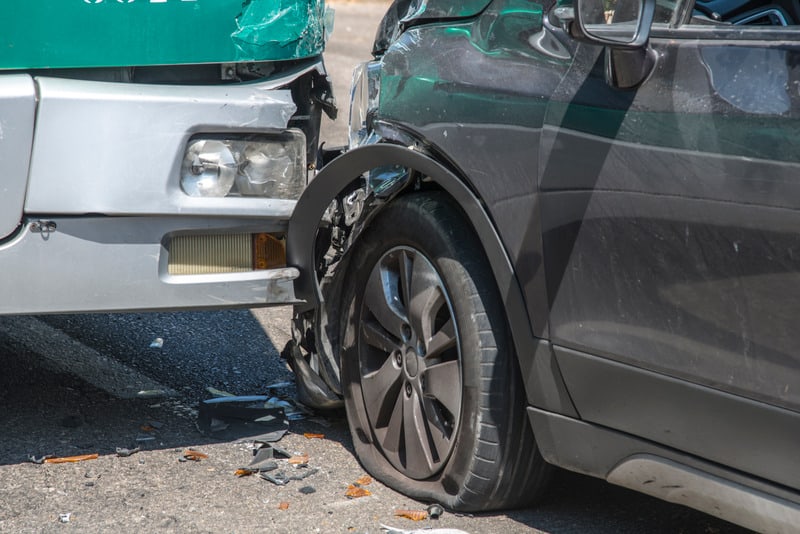
What to Do After a Car Accident in Toronto: Step-by-Step Guide
🚨 Accident Emergency? Call (647) 812-1477 – 24/7 Emergency Towing & Assistance in Toronto & GTA
Being involved in a car accident is one of the most stressful experiences any driver can face. Whether it’s a minor fender bender in a Toronto parking lot or a serious collision on the 401, knowing exactly what to do in those critical first moments can protect your safety, preserve your legal rights, and ensure a smooth insurance claims process. Many drivers are unsure of proper procedures after an accident, and this uncertainty can lead to avoidable mistakes that weaken future claims or create legal complications . This comprehensive guide walks you through every step you need to take after a car accident in Toronto, from immediate safety measures to insurance reporting, Collision Reporting Centre procedures, towing services, and protecting your rights under Ontario law.
Immediate Steps at the Accident Scene
Step 1: Ensure Safety First
The safety of all individuals involved is of paramount importance. Before anything else, take these immediate safety actions :
- Stop your vehicle immediately: Never leave the scene of an accident—it’s illegal and can result in criminal charges
- Turn on hazard lights: Alert other drivers to the accident scene
- Check for injuries: Assess yourself, passengers, and others involved for injuries
- Call 911 if anyone is injured: Even seemingly minor injuries require medical attention
- Move to safety if possible: If vehicles are drivable and it’s safe to do so, move them out of traffic to prevent secondary accidents
- Set up warning devices: Use reflective triangles, flares, or cones if available to warn approaching traffic
If the accident occurs on a busy Toronto highway like the 401, Gardiner Expressway, or DVP, and vehicles cannot be moved safely, stay inside your vehicle with seatbelts fastened until emergency services arrive . More injuries occur from passing traffic striking people at accident scenes than from the accidents themselves.
Step 2: Check for Injuries and Call Emergency Services
Even in seemingly minor collisions, injuries may not be immediately apparent. Conditions like whiplash, concussions, and internal injuries often manifest hours or even days after an accident . Call 911 immediately if:
- Anyone complains of pain, dizziness, or discomfort
- There are visible injuries, bleeding, or loss of consciousness
- Anyone appears disoriented or confused
- The collision was high-speed or high-impact
- Airbags deployed
- Anyone experiences difficulty breathing or chest pain
Seeking immediate medical attention creates important documentation of injuries, which is crucial for insurance claims and potential legal action . Always err on the side of caution—decline medical attention at the scene, and you may jeopardize your ability to claim injury-related benefits later.
Step 3: Call Police When Required
In Ontario, you must call police to the accident scene if :
- Anyone is injured or killed
- Combined property damage appears to exceed $2,000
- Any driver is suspected of impaired driving
- Any driver lacks proper insurance or a valid driver’s license
- Any driver fails to stop or provide information
- The accident involves a government vehicle
In Toronto, police will attend injury accidents and serious collisions. For property-damage-only accidents, you’ll typically be directed to report to a Collision Reporting Centre within 24 hours .
Documenting the Accident Scene
Thorough documentation is essential for insurance claims and protecting your rights. Even if you feel shaken, take time to gather as much information as possible .
Exchange Information with Other Drivers
Obtain the following information from all drivers involved:
- Full name, address, and phone number
- Driver’s license number
- License plate number and vehicle description (make, model, color, year)
- Insurance company name and policy number
- Vehicle owner’s information (if different from driver)
Provide your information as well, but avoid discussing fault or apologizing—even saying “I’m sorry” can be interpreted as admitting liability .
Document Witness Information
Independent witnesses can be invaluable for insurance claims and legal proceedings:
- Get names and phone numbers of any witnesses
- Ask if they’re willing to provide statements
- Note their location and what they saw
- Don’t coach witnesses or suggest what happened
Take Comprehensive Photographs
Photographic evidence is crucial. Use your smartphone to document :
- All vehicle damage: Multiple angles of each damaged vehicle, including close-ups and wide shots
- License plates: All vehicles involved
- Accident scene: Road conditions, traffic signs, signals, skid marks
- Vehicle positions: Where vehicles came to rest after impact
- Weather and road conditions: Ice, snow, water, potholes
- Nearby landmarks: Street signs, buildings for location reference
- Your vehicle’s interior: Deployed airbags, damage inside
- Injuries: Visible injuries (if appropriate and consensual)
Ensure all photographs are clear, well-lit, and detailed. Take more photos than you think necessary—you can always delete extras, but you can’t recreate the scene later .
Write Down Accident Details
While events are fresh in your mind, record:
- Date, time, and exact location of the accident
- Weather and road conditions
- Traffic conditions (heavy, light, stopped)
- Speed you were traveling
- What you were doing immediately before impact (changing lanes, stopping, etc.)
- Direction each vehicle was traveling
- What you saw and heard
- Any statements made by other drivers or witnesses
Memories fade quickly, and these details will be valuable when filling out reports and dealing with insurance companies .
Understanding Toronto’s Collision Reporting Centre (CRC) System
Toronto uses Collision Reporting Centres for property-damage accidents that don’t require police attendance at the scene. Understanding this system is essential for Toronto drivers .
When to Report to a Collision Reporting Centre
You must report to a CRC within 24 hours if :
- The accident involved property damage only (no injuries)
- Combined damage appears to exceed $2,000
- The accident occurred on a public roadway in Toronto or surrounding areas
- All drivers remained at the scene and exchanged information
Toronto Collision Reporting Centre Locations
Toronto has multiple CRC locations for convenient reporting:
- Finch Avenue CRC: 181 Dufflaw Road (at Finch Avenue West)
- Commissioners Street CRC: 1299 Commissioners Street (near Port Lands)
- Tapscott Road CRC: 123 Tapscott Road (Scarborough area)
- Vaughan CRC: 8580 Weston Road (serves York Region)
Operating hours vary by location, but most operate Monday through Friday with extended hours. Check current hours before visiting .
What Happens at the Collision Reporting Centre
The CRC reporting process involves several steps :
1. Vehicle inspection: A police officer physically inspects your vehicle damage and takes photographs. Your vehicle should be in the same condition as immediately after the accident.
2. Complete collision report form: You’ll fill out an R7C form providing accident details, which a police officer will review and verify.
3. Obtain official report: You’ll receive an official accident report number for insurance purposes.
4. Insurance services: Many CRCs offer on-site insurance contact services, allowing you to immediately report the collision to your insurance provider.
Important CRC Requirements
When visiting a Collision Reporting Centre, bring:
- Valid driver’s license
- Vehicle ownership/registration
- Insurance documents (pink slip)
- Information exchanged at the accident scene
- Photographs taken at the scene
- Written notes about the accident
Critical timing: You must report within 24 hours of the accident. Failure to report can result in license suspension and serious insurance complications .
Do You Need to Tow Your Vehicle to the CRC?
In most cases, you do not need to tow your vehicle to the CRC unless police specifically request it . If your vehicle is drivable, drive it to the reporting centre. If it’s not drivable, you can:
- Have it towed directly to your chosen repair shop
- Take photographs at the accident scene for the CRC inspection
- Visit the CRC yourself with documentation and photos
For vehicles requiring immediate towing from the accident scene, emergency towing services in Toronto can transport your vehicle to your preferred repair shop while you handle the reporting requirements.
Notifying Your Insurance Company
Prompt insurance notification is legally required in Ontario and critical for protecting your rights .
Seven-Day Reporting Requirement
Ontario law requires you to notify your own auto insurance company within seven days of any accident, regardless of who was at fault . However, sooner is always better—delays can put your benefits at risk and complicate claims processing.
Report to your insurance company even if:
- The accident was clearly not your fault
- Damage appears minor
- You don’t plan to make a claim
- The other driver says they’ll pay out of pocket
Failure to report can result in denial of benefits you’re entitled to under your policy .
What Information to Provide Your Insurer
When reporting the accident to your insurance company, provide :
- Your policy number and contact information
- Date, time, and location of the accident
- Description of what happened (be factual, not emotional)
- Information about other drivers and vehicles involved
- Police report number or CRC report number
- Photos and documentation you collected
- Witness information
- Description of damage to all vehicles
- Details of any injuries
Be honest and accurate, but stick to facts. Don’t speculate about what might have happened, admit fault, or minimize injuries .
Understanding Ontario’s Fault Determination Rules
Ontario uses standardized Fault Determination Rules that assign fault based on accident scenarios, regardless of what drivers believe happened . Your insurance company will apply these rules to determine fault percentages, which affect:
- Whether your premiums increase
- How much compensation you receive
- Your future insurance rates
- Your accident benefits eligibility
Fault determination is not always intuitive—you can be found partially or fully at fault even if you believe the accident wasn’t your fault. This is why documentation is so critical.
When to Call for Emergency Towing After an Accident
Not all accident vehicles are drivable. Knowing when to call for professional towing protects your vehicle from additional damage and ensures safety .
Call Emergency Towing If:
- Vehicle won’t start: Engine damage or electrical system failure
- Fluid leaks: Oil, coolant, or brake fluid leaking onto the road
- Tire damage: Blown tires or damaged wheels preventing driving
- Steering problems: Difficulty controlling the vehicle
- Frame damage: Visible frame or suspension damage
- Airbag deployment: Many vehicles shouldn’t be driven after airbags deploy
- Dashboard warning lights: Critical system warnings illuminated
- Smoke or fire: Any signs of fire require immediate professional assistance
- Unsafe to drive: Any condition that makes driving dangerous
Towing Toronto provides 24/7 emergency accident towing throughout Toronto and the GTA, with specialized flatbed trucks that safely transport damaged vehicles without causing additional harm.
Choosing Where to Tow Your Vehicle
You have the right to choose where your vehicle is towed, including:
- Your preferred body shop or repair facility
- Your dealership
- Your home (if drivable damage only)
- Your insurance company’s designated repair facility
Don’t let tow truck drivers or others pressure you into specific repair shops. Some companies receive kickbacks from body shops and may not have your best interests in mind . Choose a facility you trust.
Seeking Medical Attention After an Accident
Medical attention is crucial even if you feel fine immediately after an accident .
Why Immediate Medical Care Matters
- Hidden injuries: Whiplash, concussions, and internal injuries often have delayed symptoms
- Adrenaline masking pain: Shock and adrenaline can temporarily hide injury symptoms
- Documentation: Medical records establish a clear link between the accident and your injuries
- Insurance requirements: Delayed medical treatment can jeopardize injury claims
- Legal protection: Early medical documentation protects your rights if you need to pursue compensation
When to Seek Emergency Medical Care
Go to the emergency room immediately if you experience:
- Severe or worsening pain
- Headaches, dizziness, or confusion
- Vision problems or blurred vision
- Nausea or vomiting
- Loss of consciousness (even briefly)
- Numbness or tingling in extremities
- Difficulty breathing or chest pain
- Abdominal pain or swelling
Follow-Up Medical Care
Even if emergency treatment isn’t needed, schedule an appointment with your family doctor within 24-72 hours. Explain you were in an accident and describe all symptoms, even minor ones. This creates important medical documentation for your insurance claim .
Understanding Your Rights Under Ontario Insurance Law
Accident Benefits Coverage
All Ontario auto insurance policies include Accident Benefits coverage, which provides benefits regardless of who was at fault. These can include:
- Medical and rehabilitation benefits: Physiotherapy, chiropractic care, counseling
- Income replacement: If you can’t work due to injuries (typically 70% of gross income)
- Attendant care: If you need help with daily activities
- Death and funeral benefits: For fatal accidents
- Caregiver benefits: If you can no longer care for dependents
Apply for Accident Benefits through your insurance company as soon as possible, even if your injuries seem minor initially.
Direct Compensation for Property Damage (DCPD)
If you’re not at fault for the accident, Ontario’s Direct Compensation system allows you to claim property damage through your own insurance company without affecting your premiums . This typically results in faster claims resolution.
When to Consider Legal Representation
Consider consulting a personal injury lawyer if:
- You sustained serious injuries requiring ongoing treatment
- Your insurance company denies or disputes your claim
- Fault determination is disputed
- Another party was clearly negligent
- You’re unable to work due to injuries
- The insurance settlement offer seems inadequate
Most personal injury lawyers offer free initial consultations and work on contingency (no fees unless you receive compensation) .
Common Mistakes to Avoid After a Toronto Car Accident
- Leaving the scene: Illegal and can result in criminal charges, even for minor accidents
- Admitting fault: Never say “it was my fault” or “I’m sorry”—let insurance companies and fault determination rules decide
- Not calling police when required: Failure to report can result in license suspension
- Missing the 24-hour CRC deadline: Late reporting creates insurance complications
- Not documenting thoroughly: Poor documentation weakens your insurance claim
- Accepting cash settlements: Other driver offering cash to avoid reporting often leads to problems
- Not seeking medical attention: Delayed treatment jeopardizes injury claims
- Not reporting to insurance: Even minor unreported accidents can haunt you later
- Giving recorded statements without preparation: Insurance adjusters may use your words against you
- Posting on social media: Insurance companies monitor social media and may use posts as evidence
- Delaying insurance notification: The seven-day rule is legally binding
Frequently Asked Questions About Car Accidents in Toronto
Do I need to call police for a minor fender bender in Toronto?
You must call police if anyone is injured or combined damage exceeds $2,000 . For minor property-damage accidents under $2,000 with no injuries, police aren’t required, but you should still exchange information and report to your insurance company. When in doubt, call police—they can help determine if a CRC report is necessary.
What happens if I don’t report to a Collision Reporting Centre within 24 hours?
Failure to report within 24 hours can result in driver’s license suspension and serious complications with your insurance claim . If you miss the deadline due to injury or other valid reasons, contact police and your insurance company immediately to explain the situation.
Will my insurance rates go up if I report an accident?
This depends on fault determination. If you’re found not at fault, your rates typically won’t increase . If you’re found partially or fully at fault, your rates may increase at renewal. However, failing to report can result in policy cancellation, which causes much higher rates. Always report accidents as required.
Can I use my own tow truck company after an accident?
Yes, you have the right to choose your own towing service. Many insurance policies include towing coverage that reimburses you for reasonable towing costs. Towing Toronto provides 24/7 accident towing to your choice of repair facility, home, or other location.
What if the other driver doesn’t have insurance?
If you’re hit by an uninsured driver, your own insurance policy’s Uninsured Automobile coverage should provide benefits. Report the accident to police immediately, document everything thoroughly, and notify your insurance company right away. You may also be able to seek compensation through the Motor Vehicle Accident Claims Fund.
Do I have to use my insurance company’s preferred repair shop?
No, you have the right to choose your own repair facility. While your insurance company may suggest preferred shops, you’re not obligated to use them. Choose a reputable facility you trust for quality repairs.
How long do I have to file an insurance claim in Ontario?
You must notify your insurance company within seven days, but formal claim filing timelines vary by benefit type . Accident Benefits applications should be submitted within 30 days. For property damage, file as soon as possible. Don’t delay—prompt filing protects your rights.
What if I feel fine now but develop symptoms later?
Seek medical attention immediately when symptoms appear and notify your insurance company that you’re experiencing delayed injury symptoms. This is common with soft tissue injuries, concussions, and whiplash . Early medical documentation after symptom onset is critical for your claim.
Get Reliable Emergency Towing After Toronto Accidents
When you’ve been in an accident, the last thing you need is additional stress about getting your vehicle to safety. Professional emergency towing ensures your damaged vehicle is transported safely without causing additional harm.
Towing Toronto provides 24/7 emergency accident towing throughout Toronto and the Greater Toronto Area, including downtown Toronto, North York, Scarborough, Etobicoke, Mississauga, Brampton, Markham, Vaughan, and all surrounding communities.
Why choose Towing Toronto for accident towing?
- Available 24/7, including holidays and weekends
- Fast response to accident scenes across the GTA
- Professional flatbed towing that prevents additional damage
- Tow to your choice of repair facility, home, or other location
- Experienced with all vehicle types including cars, SUVs, trucks, and luxury vehicles
- Proper equipment for severely damaged vehicles
- Assistance with vehicle documentation for insurance claims
- Licensed, insured, and bonded for your protection
- Transparent pricing with no hidden fees
Been in an accident in Toronto? Call (647) 812-1477 now for immediate emergency towing and assistance. Available 24/7!
Beyond accident towing, we provide complete roadside assistance including battery boosts, flat tire service, fuel delivery, car lockout service, and winching. Whatever emergency you face on Toronto roads, we’re here to help.
Save our number in your phone today: (647) 812-1477 – Because accidents happen when you least expect them.
Note: All prices mentioned in this article are provided for general reference and informational purposes only. These prices are not fixed and may vary depending on facts, market conditions, location, time, availability, or other relevant factors. Actual prices may change without prior notice. Readers are advised to verify details independently before making any decisions.
Recent Comments